

Quick Summary
Sector: Consumer services / On-demand tailoring
Stage: Pre-seed, live in Mumbai
Product: Asset-light aggregator delivering stitched clothing in ~48 hours
Traction: 60+ orders, ₹1.2L revenue, ~23% margins
Market: ₹38,000 crore Indian tailoring market
Team: Solo founder with 7-member ops team
One founder. One question. Why does stitching still take 2 weeks?
Jabir watched his father spend days going back and forth between fabric shops and tailors, just to get one shirt stitched properly.
Buying a stitched shirt look like this:
Go to the fabric shop.
Find a tailor you can trust.
Explain the design and take measurements.
Wait one or two weeks.
Go back for fitting.
Fix what went wrong.
This is how tailoring works in India today.
You can get groceries in ten minutes. You can get an iPhone in a few hours. But a stitched shirt still takes two weeks.
That’s when Jabir asks a simple question every good founder asks.
“Why does this work this way, and how do you fix it?”

India has between 7 and 12 lakh tailoring shops spread across the country.
Together, they employ 2 to 3 million people who earn their living from stitching clothes. This industry is valued at around ₹38,000 crore, with demand growing close to 12 percent every year.
This market is still unorganized and scattered.
There is no discovery, no standard process, and very little technology involved.
We have seen messy markets organize before.
Hotels did it with OYO, cabs with Ola, food with Zomato, and home services with Urban Company.
They all did the same thing. They took an unorganized market and made it easy to use with technology.
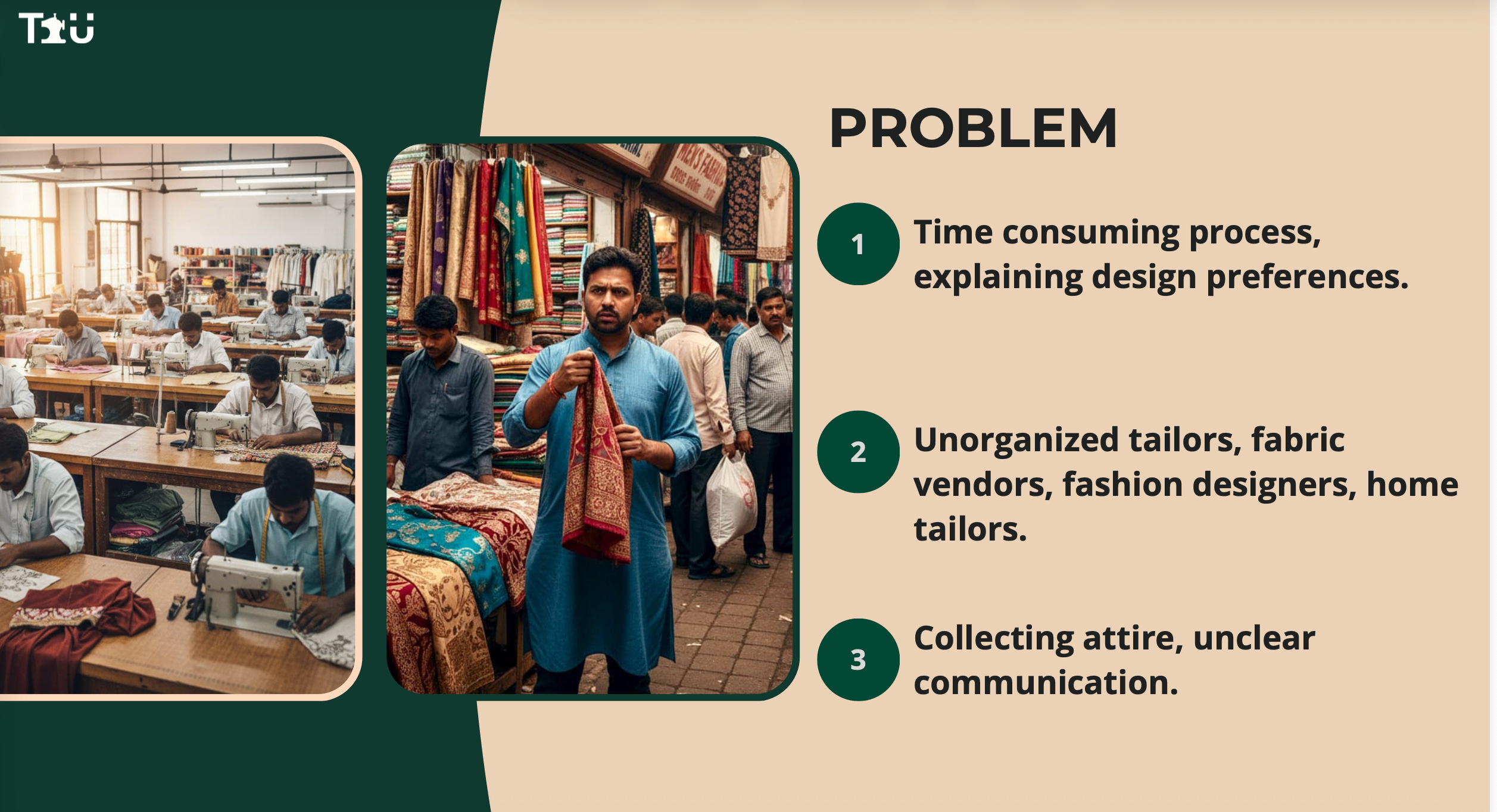
The Gap tailor2U is building For:
The real problem is not stitching. The problem is coordination.
Today, the customer has to manage everything. They buy fabric, find a tailor, explain the design, share measurements, follow up, and deal with fixes.
This is how Tailor2U solving it:
The customer tells the platform what they want stitched and when they need it.
An executive visits for measurements at a time the customer chooses.
Fabric options come to the doorstep, so the customer picks without visiting markets.
The order goes to a verified tailor in the network, and the platform handles follow-ups and delivery.
The finished outfit reaches the customer within 48 hours for standard orders.
They remove the hassle for customers and help tailors get more work
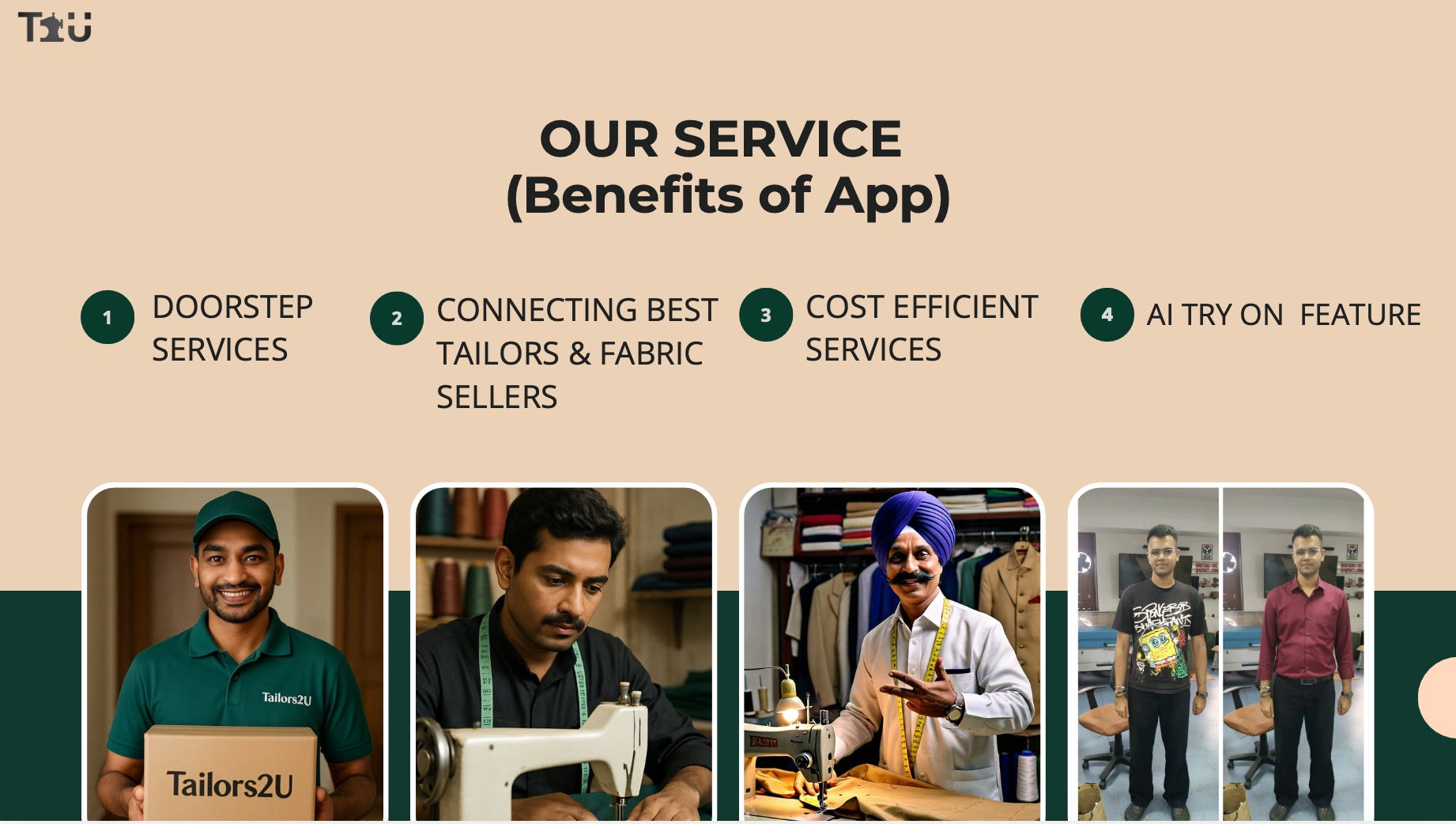
Their Business Model
Tailors2U does not own factories or machines. It works as an aggregator that connects customers with existing tailors.
India already has lakhs of tailors who know their craft.
What they don’t have is steady demand, predictable orders, or a simple way to reach customers outside their neighborhood.
On the other side, customers don’t mind who stitches their clothes. They care about fit, timelines, and not wasting time coordinating everything themselves.
Customers want speed and convenience and tailors want more orders without chasing customers.
This model works because it solves both sides at the same time.
Early traction:
They’re in their early stage, but people are already paying.
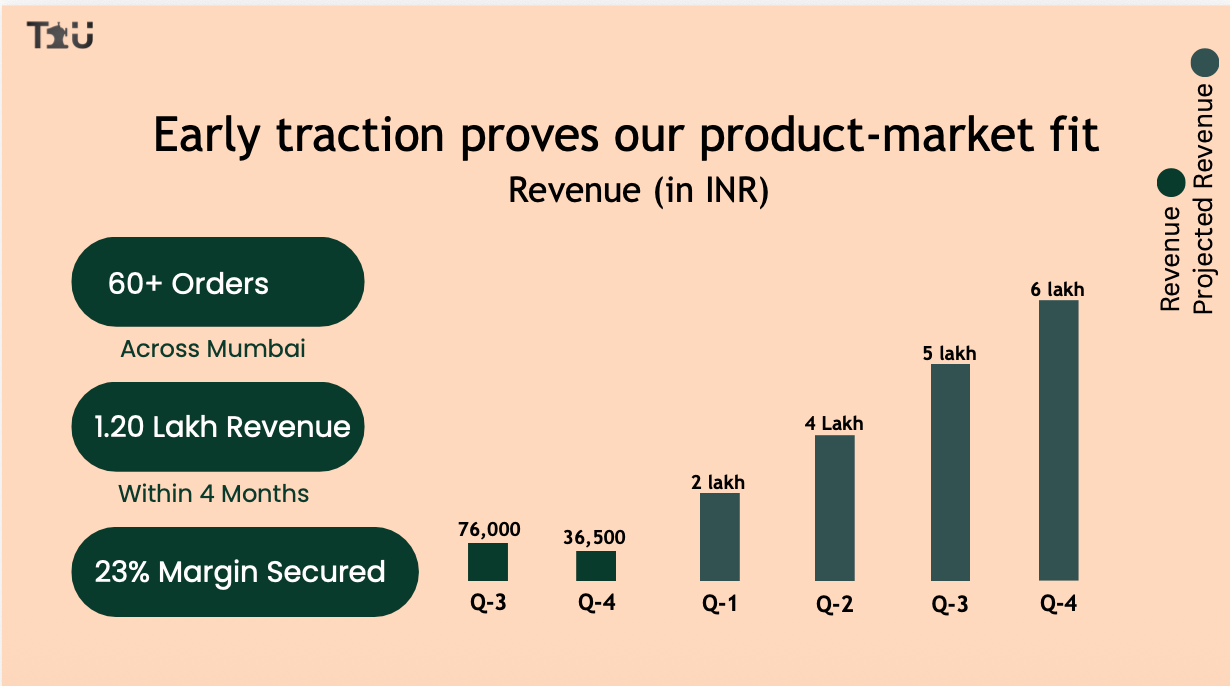
Tailors2U has completed over 60 orders in Mumbai.
In the first four months, the platform generated around ₹1.2 lakh in revenue, with margins close to 23 percent.
On the supply side, more than 50 verified tailors are already onboarded.
The team has also partnered with 25 fabric shops, giving customers access to over 1,000 fabric options at their doorstep.
Most importantly, customers are coming back.
Out of the first 60 orders, only two required a remake, and both were handled by the platform.
The startup is currently pre-incubated at riidl, Somaiya University, and has won 12+ college and early-stage pitch competitions, which helped fund and validate the early build.
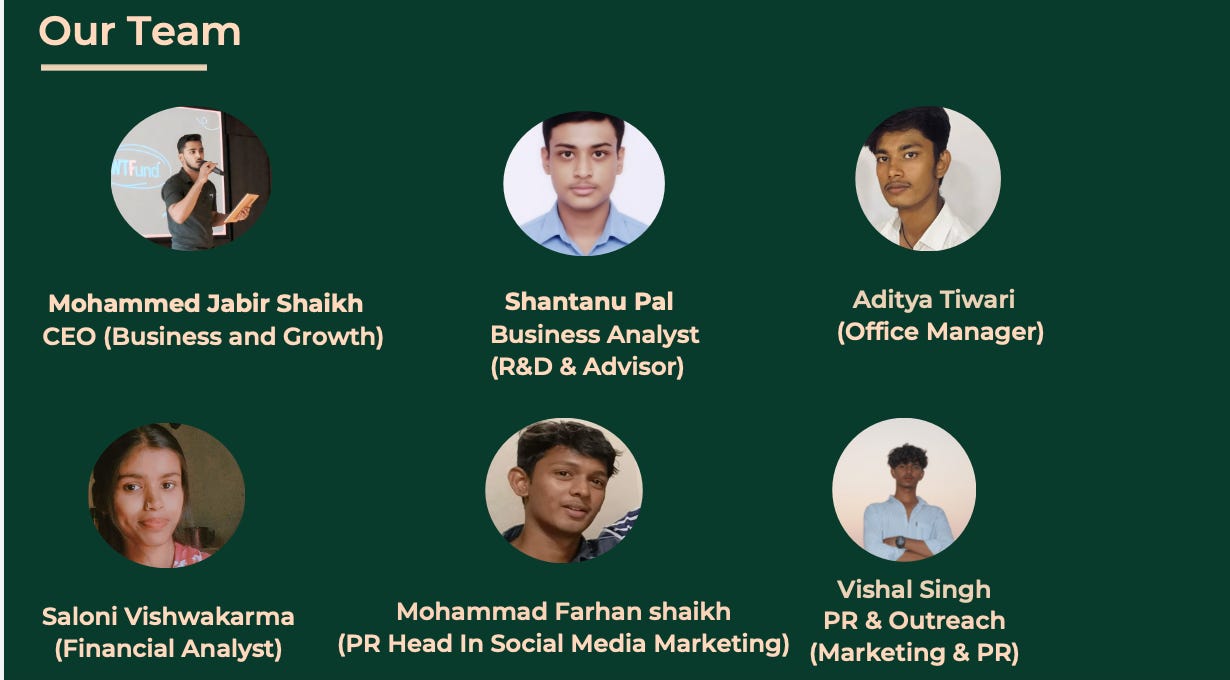
Meet the Team
Mohammed Jabir Shaikh builds Tailors2U as a solo founder.
He does not come from tailoring or fashion. He comes from seeing the problem up close, first through his father, then through customers who struggle with the same process.
Most of his time goes into operations and spending time with tailors and customers
To understand their problems.
Around him is a small team of seven. They handle measurements, order coordination, fabric sourcing, and customer follow-ups.
On the supply side, the team onboards 50 verified tailors.
They also partner with 25 fabric shops, which gives customers access to 1,000 fabric options.
Customers come back. Only two orders need a remake, and the team handles both.
The startup operates from riidl at Somaiya University and wins 12 plus pitch competitions, which helps fund and test the early version.
GVP Take
Tailoring is a real market that no one has bothered to organize in india.
We don’t see many startups seriously attempt this market.
This market is valued at Rs.38,000 crore at 12% annual growth rate
The early numbers are small, but they answer the right question.
Will customers pay to save time?
Will tailors accept a platform that brings orders?
Zomato, Ola, and Zepto all did the same thing.
They took unorganized markets and turned convenience into the product.
Both seem true so far. The risk is execution at scale.
Quality, timelines, and unit economics will decide whether this stays local or becomes repeatable.
Download the full pitch deck here!

Email: jaylee@globalventureplay.com
Whatsapp: +821068181518