

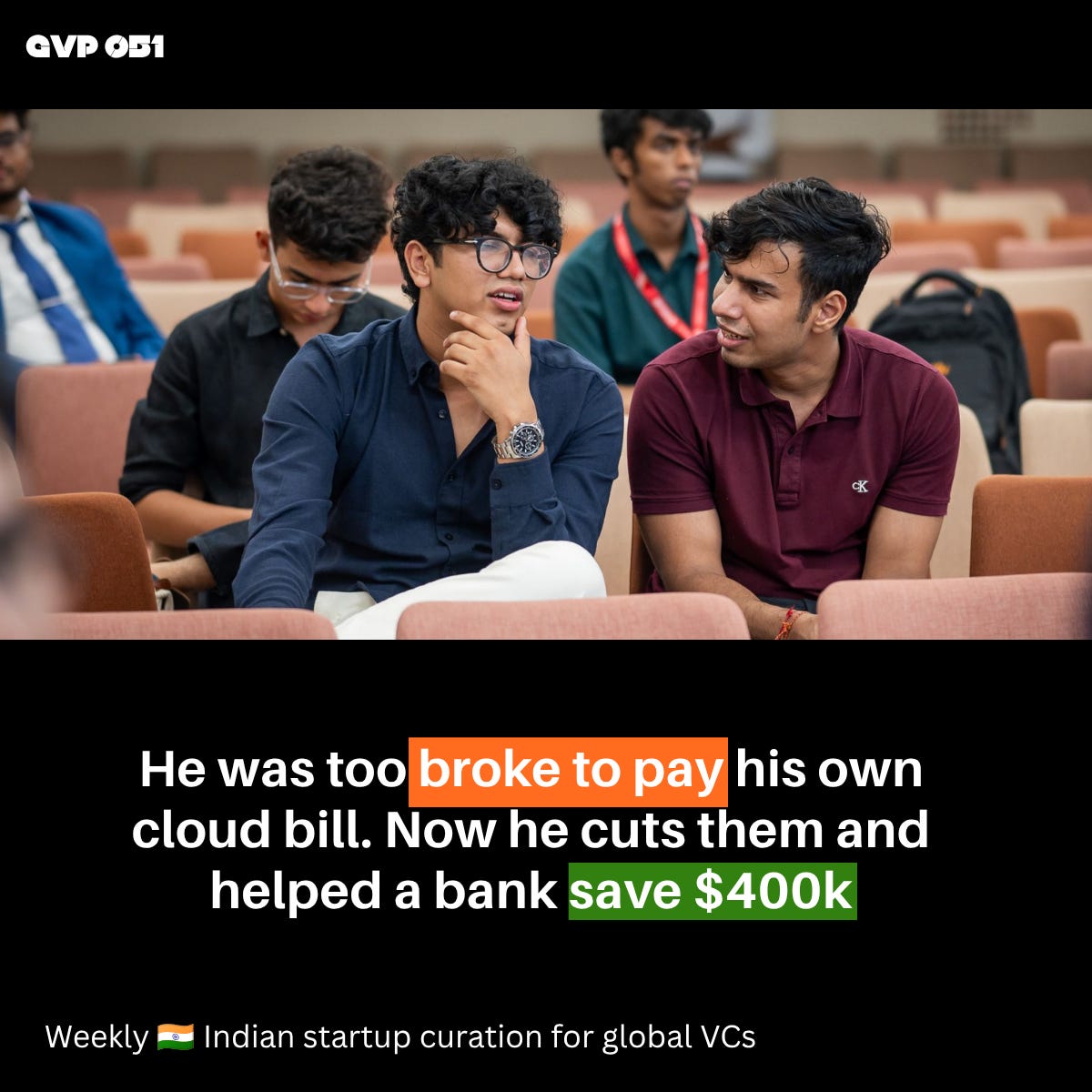
If you’re new here, Welcome.
Welcome back to GVP. Every week we meet one Indian founder, verify the traction, and write the story so you can make faster investment decisions. We added 32 new subscribers last week — now at 643 investors reading weekly. If someone forwarded this to you, subscribe here.
My dear fellow investors,
Elon Musk looked at rockets and asked one simple question. Why build a brand-new rocket every time, then throw it away? Reuse it, and space travel gets cheap.
A 21-year-old from Ahmedabad is asking that same question about AI.
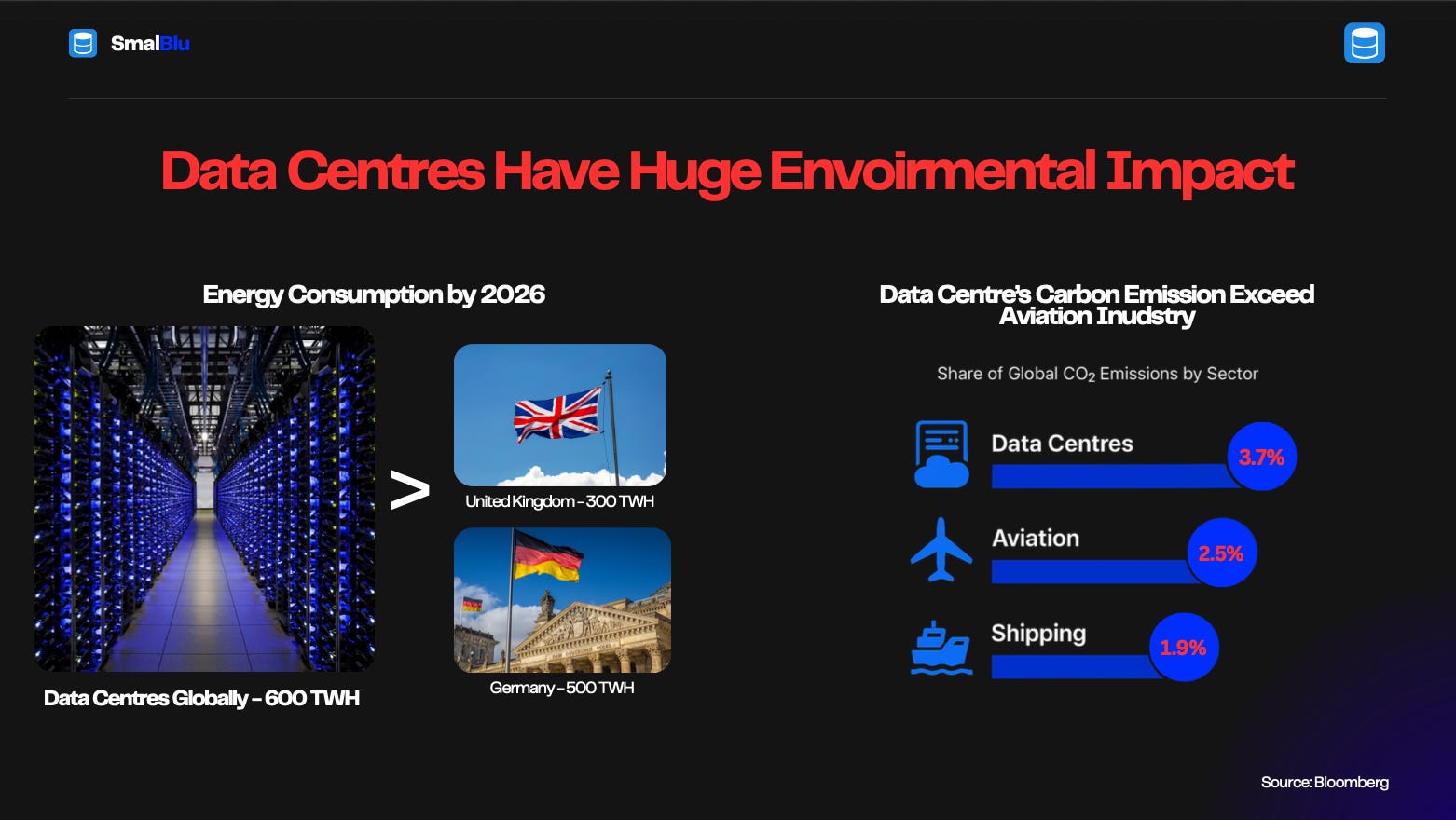
Every time you send a prompt to a chatbot, a data centre burns more power than whole countries. And AI is making them burn far more.
So the world is racing to build more power. New grids. Nuclear plants. Hundreds of billions of dollars.
But almost no one is asking the real question. A huge chunk of that power, up to half of it, is wasted. It runs computers that mostly sit idle.
We keep building new power instead of saving the power we already waste.
This 21-year-old decided to fix that.
His software plugged into an enterprise and helped them reduce the cloud bill by $400,000.
And he built a team of senior engineers who left Microsoft and AWS to work with him.
He knocked on 14 bank doors before one said yes, then saved that client hundreds of thousands of dollars.
Today I’ll show you what he’s building, how he did it so young, and what happens to all of us if this waste keeps growing.
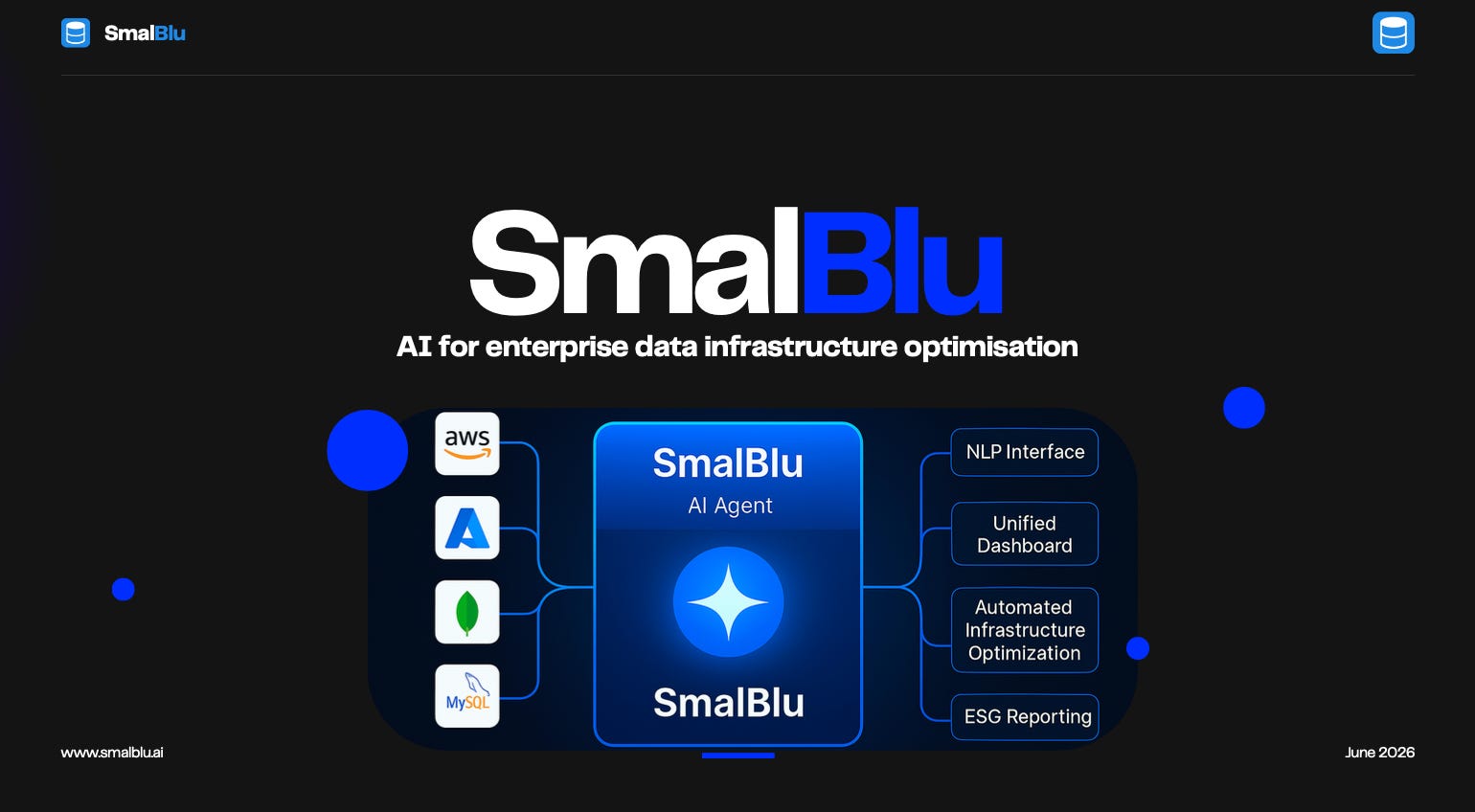
The Founder with skin in the game

Two years ago, Garv Goyal was running his first startup and couldn’t afford his cloud bill.
So he did the only thing he could.
Every few days he sat down and compressed his own data by hand, squeezing it smaller just to keep the bill from climbing.
Slow, boring work. The kind most founders would hire away or ignore.
But sitting there one night, a question stuck with him.
“AI was already writing my code. My data was moving every second of every day. So why was keeping all of it lean still a chore I had to babysit?”
His first company didn’t make it, because the co-founder left, and they shut it down.
And when he went looking for what to build next, he realised the annoyance he’d felt as a broke student was quietly costing the biggest companies on Earth billions of dollars a year
.
What is Garv Goyal building in SmalBlu?
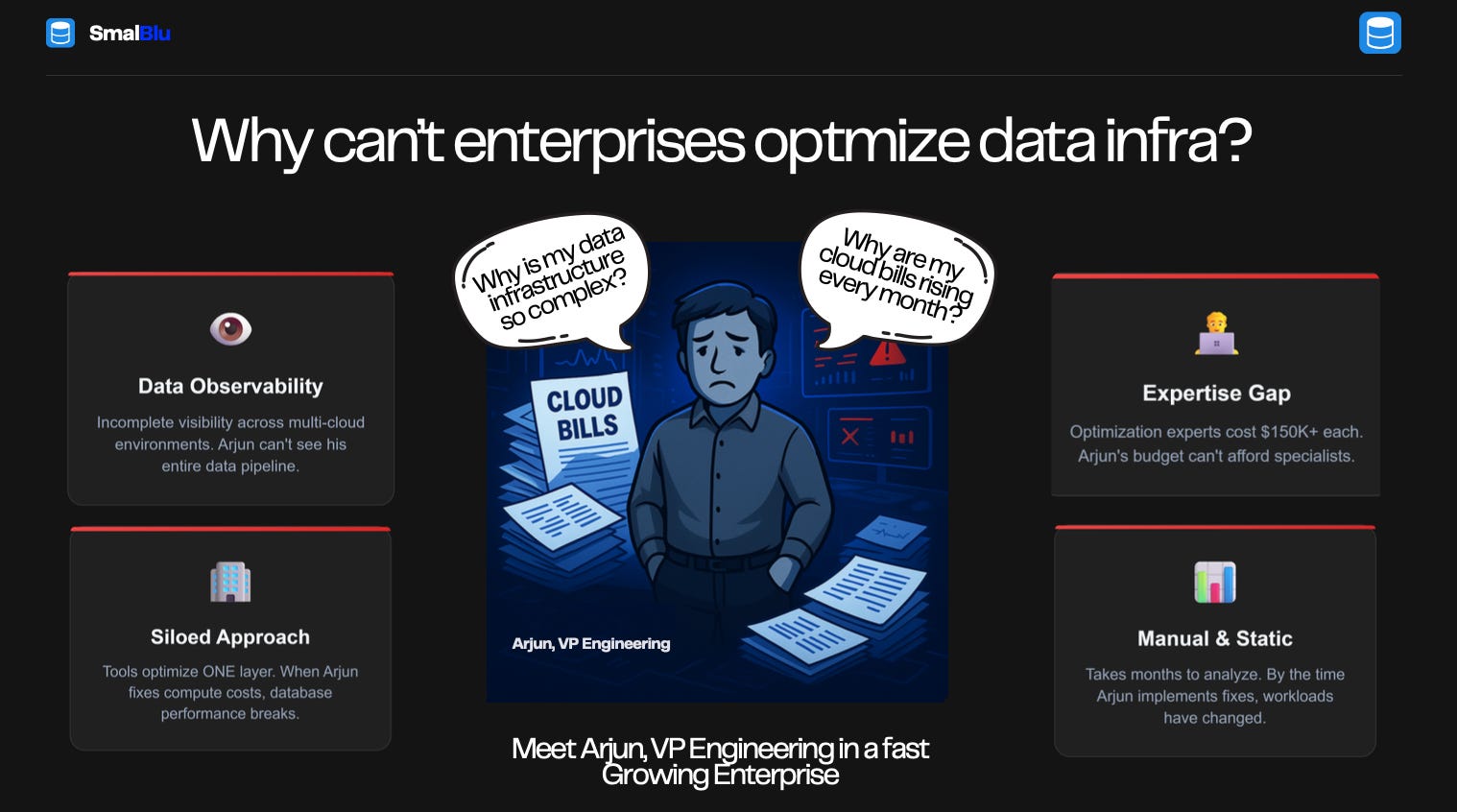
Most companies waste a big part of their cloud bill without knowing it.
A cloud setup has six layers stacked together.
Each can be tuned to save money, but they affect each other.
Fix one, break another. Doing it right needs an expert who costs over $150,000 a year, so most companies never do it. The waste just sits there.
His company, SmallBlue, is software that does that expert’s job on its own.
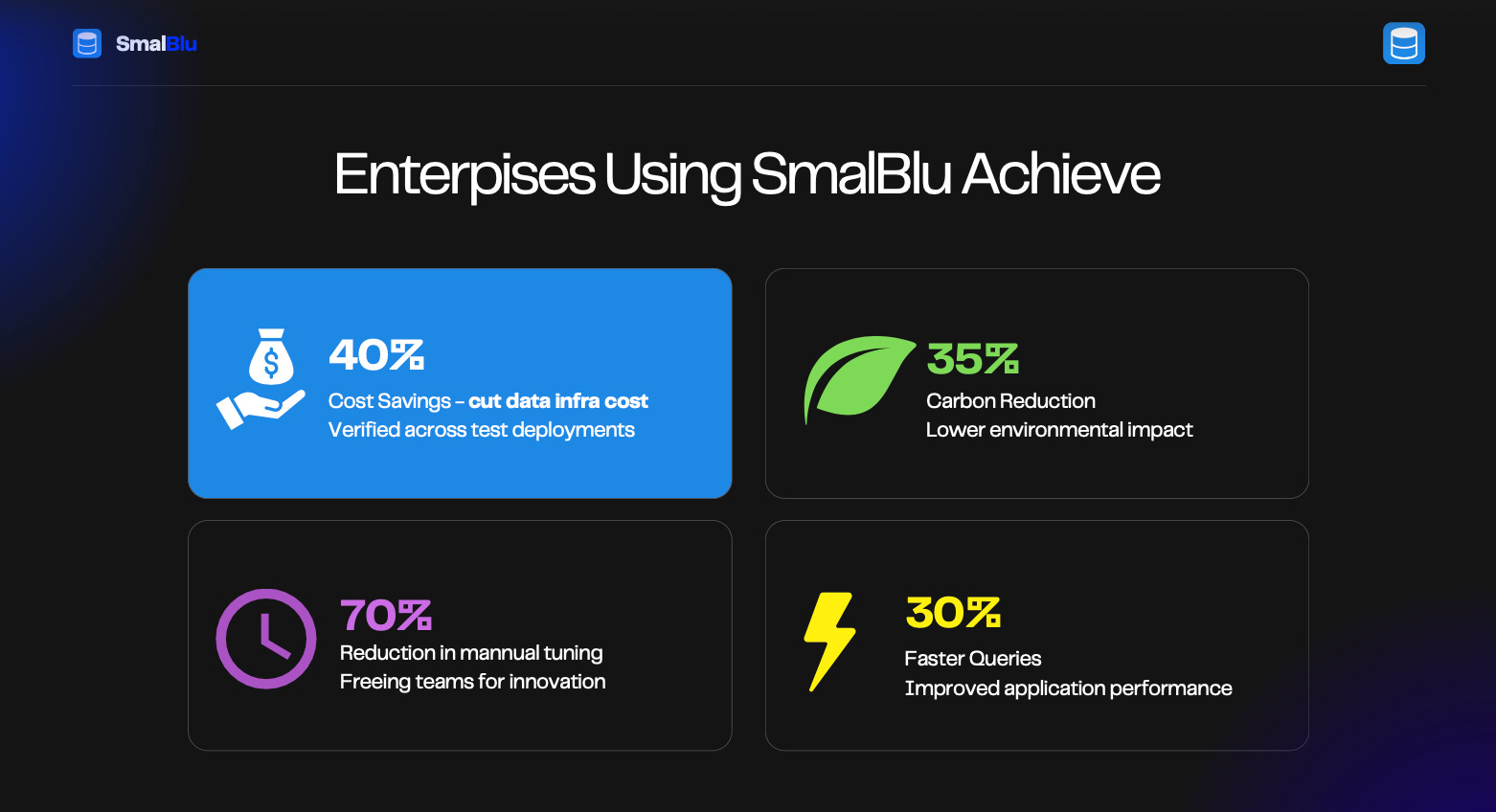
It watches all six layers around the clock, finds the waste, and cuts the bill by up to 40%.
There are other tools that only fix one layer or just show you a report.
SmallBlue fixes the whole thing. And it couldn’t exist 18 months ago. AI only recently got smart enough to reason across all six layers like a human would.
How did he land his first customer?
Getting a bank to trust a 21-year-old is almost impossible. He did it anyway.
He knocked on 14 doors before one said yes.
Two things got him in. His senior advisors showed up on calls and went into offices with him, which gave him instant credibility.
And he made the first deal easy, taking only a share of the money he saved them.
That first bank shaped the product.
Once he delivered, other banks were suddenly willing to talk.
How did he build his team?
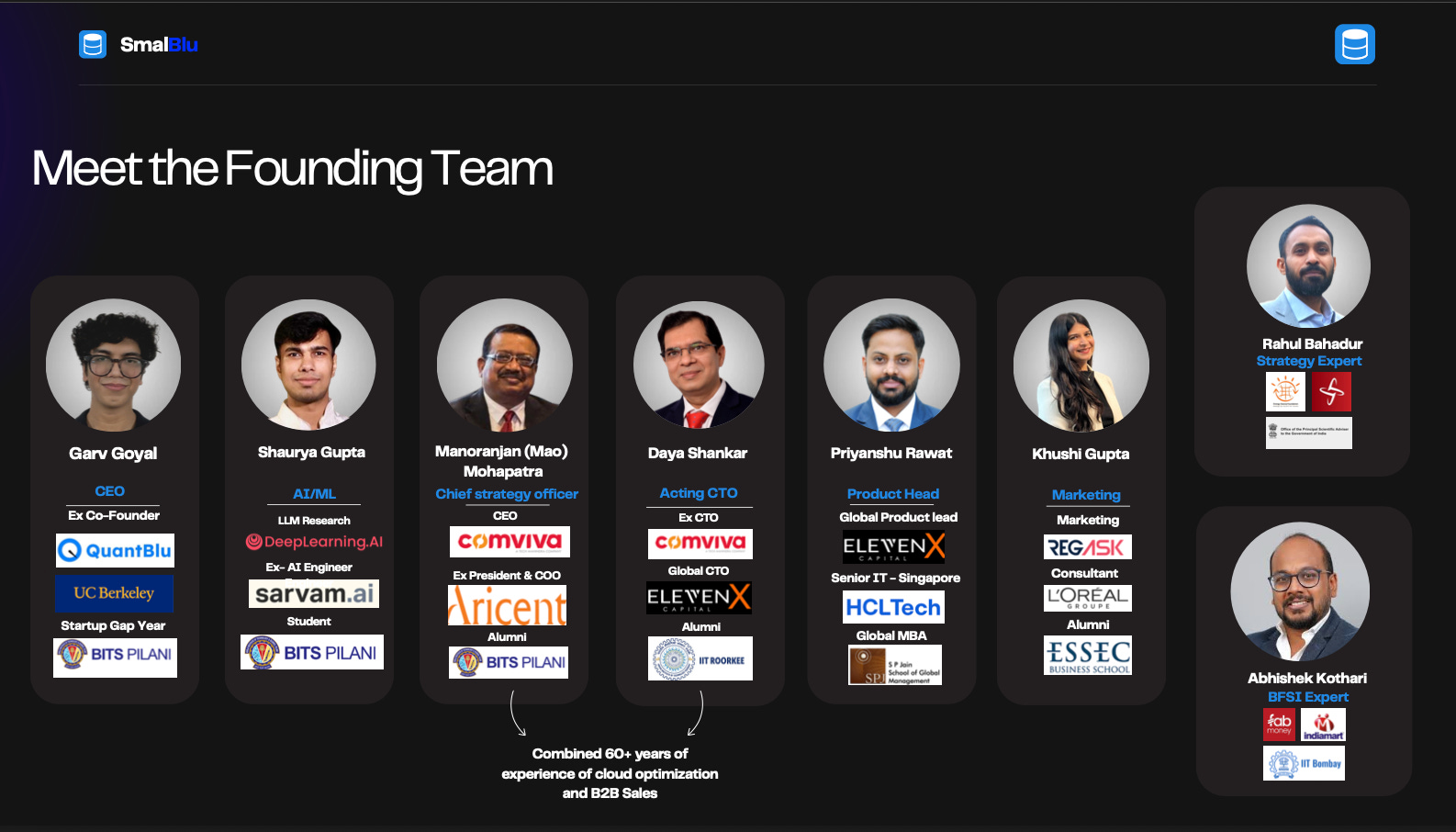
Garv is 21.
The average person in his team is around 33, with eight years of experience. People left Microsoft, AWS, and NPCI to join him.
He also brought in the former CEO and CTO of Comviva, a telecom software company.
Why follow someone so young?
The problem was big and new, and the idea pulled them in. His rule says it all. Compromise on anything, but never the team and the product.
Their business model and Traction
Pay $1, save $4 on your cloud bill. That’s the deal.
Most tools like his take a cut of what they save you. Garv said NO to that.
He saw the trap. The more you save the client, the less you’re allowed to earn, and you end up making their engineer look bad for missing the waste in the first place.
So he charges a flat fee plus usage credits, the way Claude and Cursor do.
And it’s working. In just 10 months,
- He’s signed 10+ enterprise letters of intent
- Done $40,000 in paid pilots with banks
- Cut one client’s bill by $400,000.
He raised a small first round and is now raising up to $500K to deliver the bigger contracts already lined up.
GVP’s take
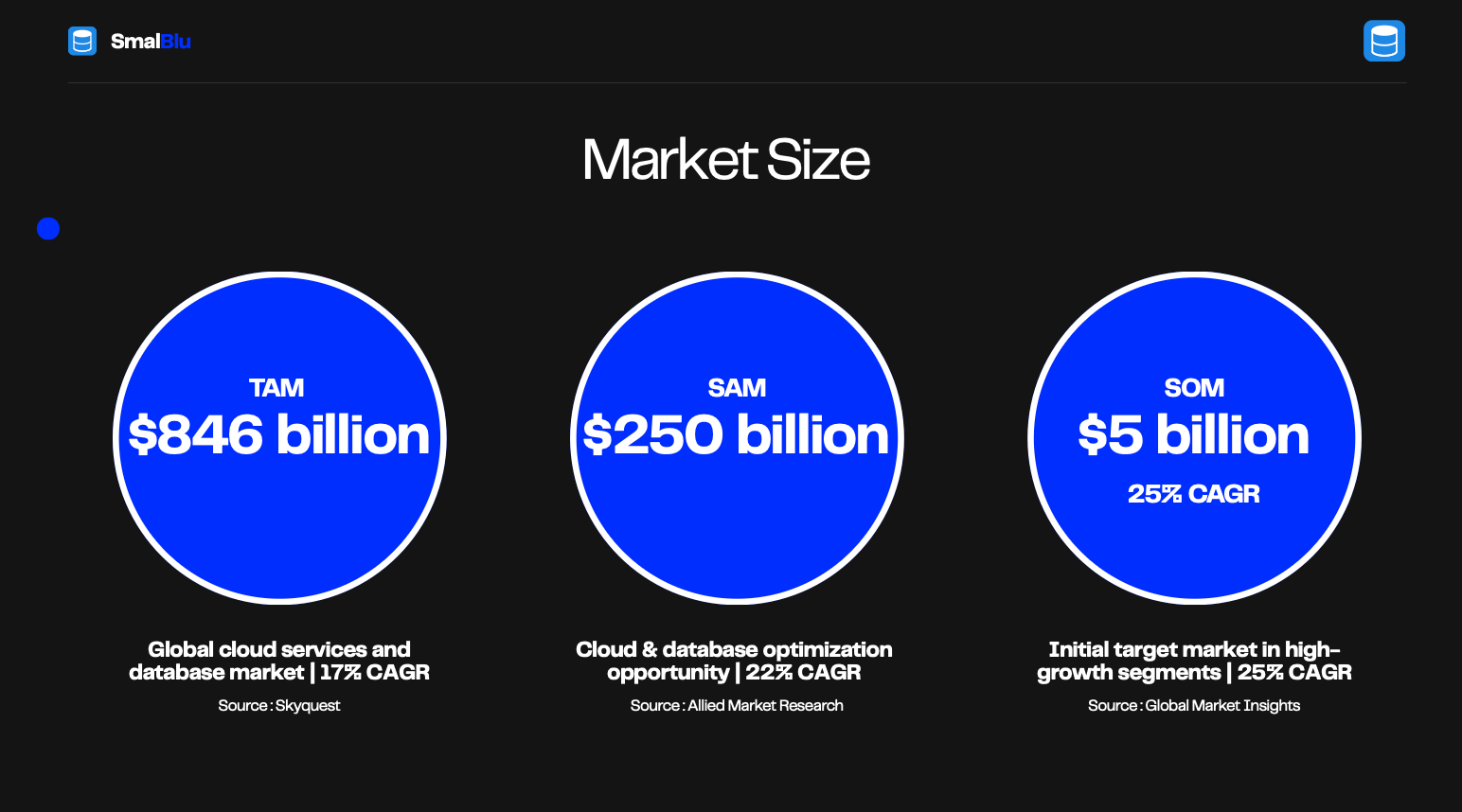
We featured SmallBlue for one reason. The problem is real, huge, and almost no one is working on it.
The world is spending billions to build more power for AI, while up to half of what we have is wasted. The cheapest power plant is the one you never build. Garv is going after that.
The honest risk: his edge today is being first, and first doesn’t last. The same AI that unlocked this for him unlocks it for others.
His real moat has to become the banks he works with and the data he collects, not the tech alone. He’s also very early, and some results are still under NDA.
But the core idea is simple. AI is about to make wasted power one of the most expensive problems in the world.
SmallBlue is one of the few teams trying to win it back, led by a founder who felt the problem himself.
P.S. One last thing…
GVP has 634+ investor subscribers — including partners at Accel, principals at family offices in Singapore and Dubai, and angels across the US, Australia, and Europe.
If you forward this newsletter to 3 investors who subscribe, we’ll make a warm intro for you to any family office or VC in our network you’d like to meet.
See you next week
If you want me to make a warm intro with this startup founder, feel free to reply to this email!
Email: jaylee@globalventureplay.com