

Quick Summary
Sector: Defense UAVs / 3D-Printed Drone Manufacturing
Stage: Prototype, pre-seed (government drone challenge shortlisted)
Product: 3D-printed fixed-wing drones costing ₹15K–₹50K vs ₹25–40L carbon-fiber drones
Traction: Multiple flight-tested prototypes, Airbus-sponsored MSc research, iCreate Drone Challenge Round-2
Market: India defense drone procurement + counter-drone supply chains
Team: Solo founder, aerospace engineer (Cranfield MSc), ex-Airbus research
Opportunity: Turning drones into fast, cheap, replaceable assets instead of fragile ₹40L hardware
The Real Cost of Building Military Drones
Even a basic camera system that can track targets can cost tens of thousands of dollars.
Special parts, adapters, and hardware make it even more expensive.
Most teams cannot even start without funding.
Kshitij did not have that money.
While working on his first drone during his master’s, he wanted the drone to see and track targets on its own.
But he had no defence hardware, no special tools, and had never used a Raspberry Pi before.
Buying the right setup would have stopped the project.
So he used what he already had.
He took a Raspberry Pi, loose wires, and a cheap connector lying in the university lab.
After trying different wire combinations, the camera feed finally appeared on the screen.
That messy setup became the first working version of Ghost, his onboard tracking system.
It wasn’t clean. It wasn’t perfect. But it worked.
And once it worked, he knew it was worth building properly.
That same mindset runs through North Systems.
Instead of big factories, he uses small 3D printers.
Instead of expensive carbon fiber, he prints drone parts that can be replaced easily.
Instead of protecting every drone, he designs them to be cheap enough to lose.
This is not about saving money.
It is about building things that work in the real world.
The Problem with Today’s Military Drones
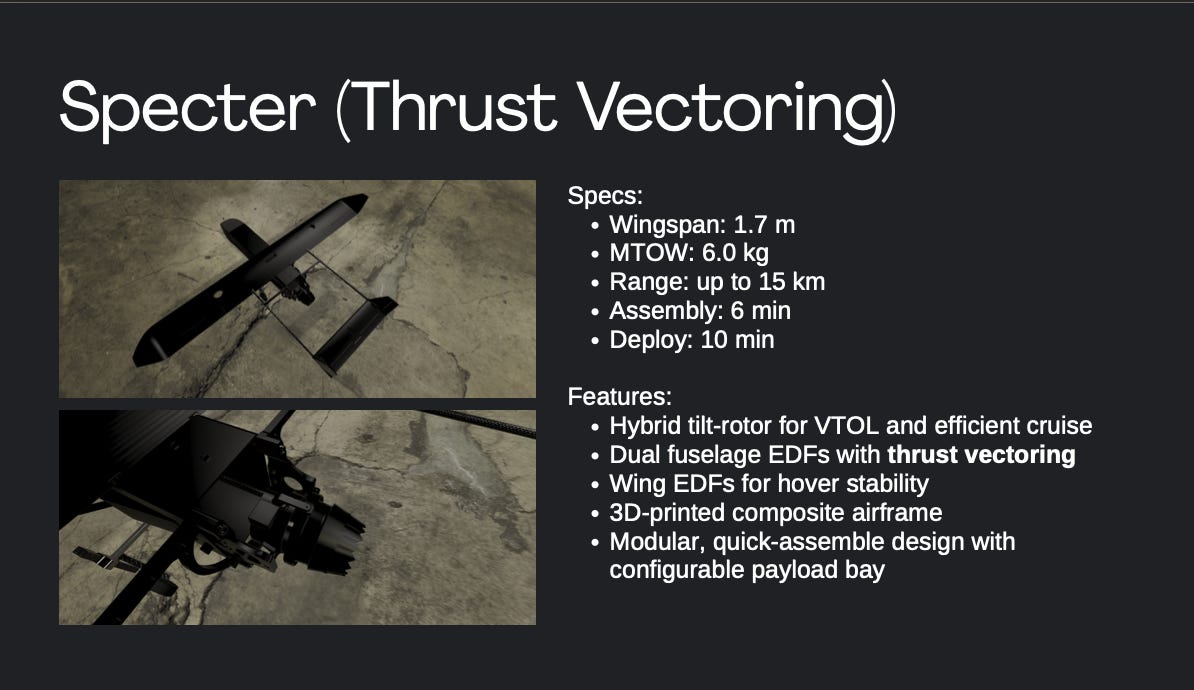
Military drones today are built like expensive aircraft.
Manufacturing takes weeks
Unit cost is roughly $30,000–$50,000 per drone
When parts break, they are hard to repair
If a wing is damaged, you often replace the whole wing.
If a drone crashes, weeks of work and tens of thousands of dollars are lost.
This is a structural mismatch with modern warfare.
Drones today are:
Sent into high-risk zones
Expected to be shot down
Expected to crash
Using fragile, expensive drones in this kind of environment does not scale.
How North Systems Solves This
North Systems designs drones to be:
Cheap
Fast to produce
Easy to replace
Manufacturing Model
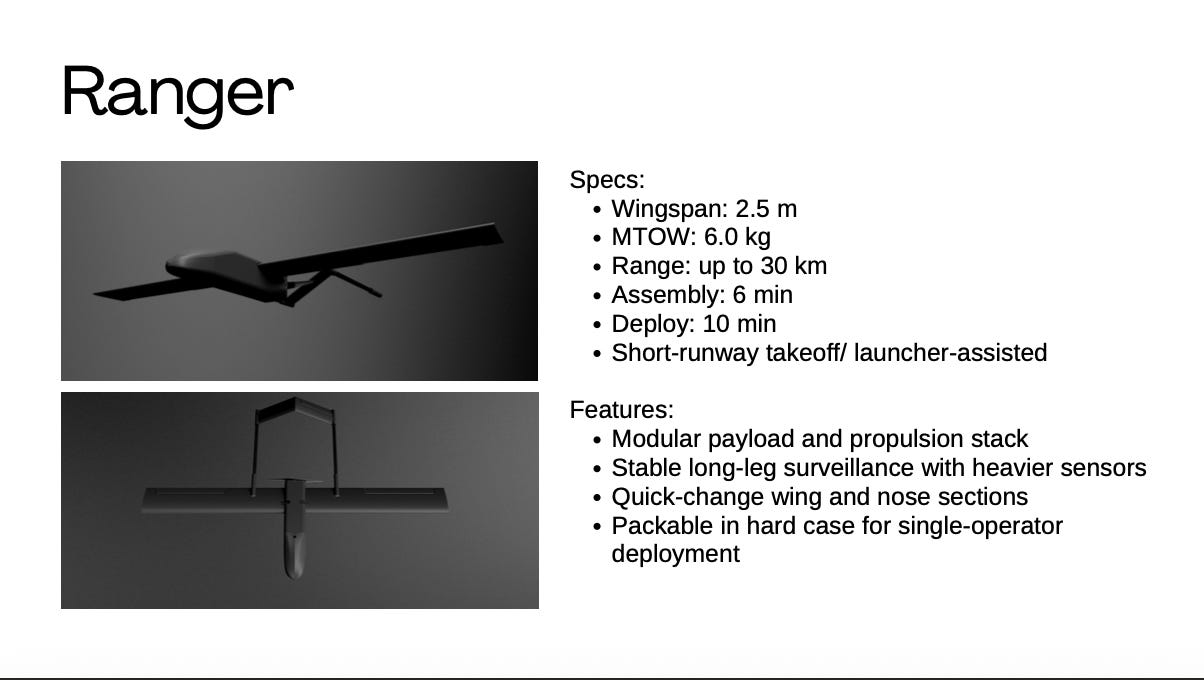
Entire drone body is 3D printed
Built using consumer-grade 3D printers
No large factories required
Cost & Speed Advantage
A drone that typically costs $30,000–$50,000 can be built for roughly $500–$600
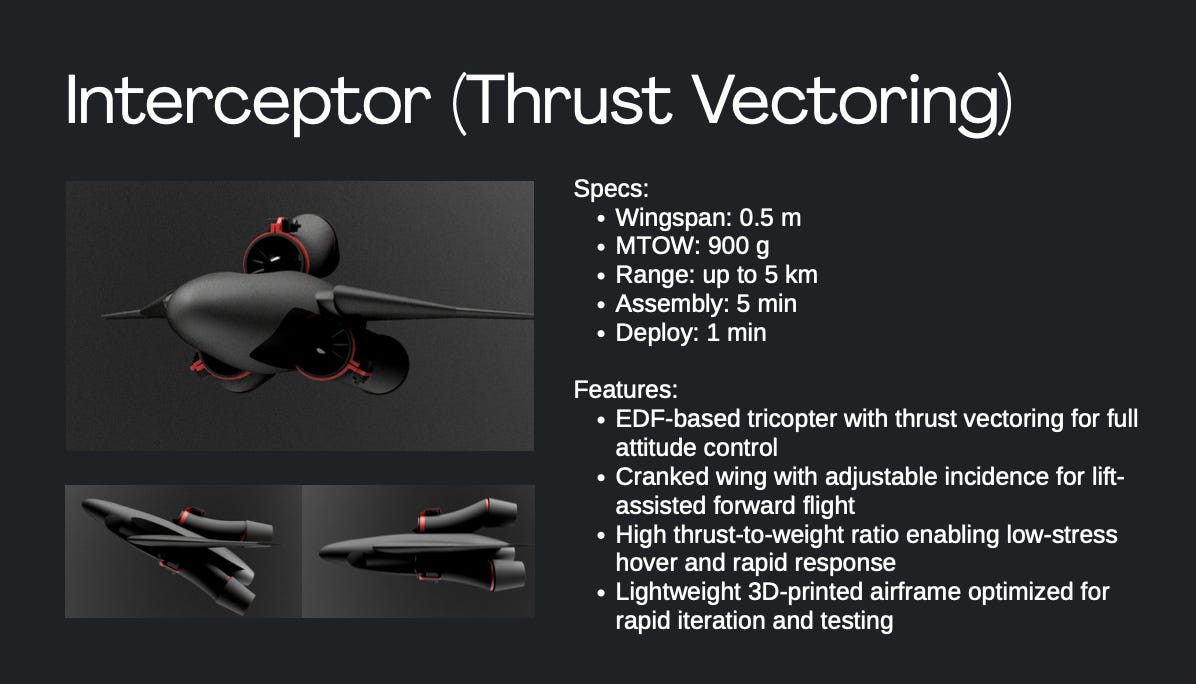
Smaller interceptor drones can be manufactured for around $180–$200
Production time drops from weeks to hours
Operational Model
Broken parts are reprinted, not replaced wholesale
Drones can be redeployed the same day
Plans to deploy container-sized drone labs near demand zones
Each container: a few printers + two technicians
Output: 100+ drones per week per container
Result:
Armies stop protecting each drone.
They start treating drones as expendable hardware.
This matches how drones are actually used in war.
Business Model
North Systems is not a software company.
They sell physical drones.
Primary Customers
Indian military
Government defence agencies
Public sector defence programs
How They Win Tenders
Most defence purchases happen via tenders.
The lowest-cost supplier that meets technical requirements often wins.
Because North Systems’ manufacturing cost is structurally lower,
they can bid lower without killing margins.
What Exactly They Sell
North Systems plans to monetize in three layers:
1. Drones (Core Product)
Fully built, mission-ready drones
Sold per unit
2. Upgrades & Replacement Parts
Broken parts reprinted
Damaged drones replaced quickly
Creates repeat orders
3. Drone Labs (Later Phase)
Container-sized mobile drone factories
Includes printers, software, and trained technicians
For now, focus stays on selling drones, not labs.
Why This Works for Defence Buyers
Defence buyers care about three things:
Cost
Speed
Reliability
North Systems performs well on all three:
No heavy factories
No long production cycles
No complex supply chains
Lower cost does not mean lower reliability.
It means faster replacement when failure is inevitable.
Founder Background
Founder: Kshitij Dayal
Background: Aerospace Engineer (UK)
During his master’s:
Designed drones from scratch
Printed and flew prototypes himself
Repeatedly crashed, fixed, and rebuilt them
His final research focused on 3D-printed UAVs, sponsored by Airbus.
That research became the technical foundation of North Systems.
This is not a slide-deck startup.
This is a founder who built the product with his own hands.
GVP Takeaway
This is a large and fast-growing market.
The global military drone market is $30B+
India is one of the fastest-growing buyers of military drones
Defence drones are becoming standard equipment, not optional tools
Why India Matters
A large share of defence hardware is still imported
Imports mean higher costs and slower delivery
The Indian government is actively pushing Make in India (defence manufacturing)
North Systems fits this direction well:
70–80% local manufacturing
Only electronics imported
Production can be placed close to deployment zones
Timing
Modern warfare destroys drones fast.
Sending a $40,000 drone into contested airspace does not scale when cheaper drones can achieve the same tactical goal.
If even a small portion of India’s drone procurement shifts toward replaceable, locally-built UAVs,
the opportunity for low-cost, fast-built drones becomes massive.
North Systems is positioned exactly at that inflection point.
Download the full pitch deck here!

Email: jaylee@globalventureplay.com
Whatsapp: +821068181518