

If you’re new here, Welcome.
Welcome back to GVP. Every week we meet one Indian founder, verify the traction, and write the story so you can make faster investment decisions. We added 32 new subscribers last week — now at 650 investors reading weekly. If someone forwarded this to you, subscribe here.
Dear fellow investors,
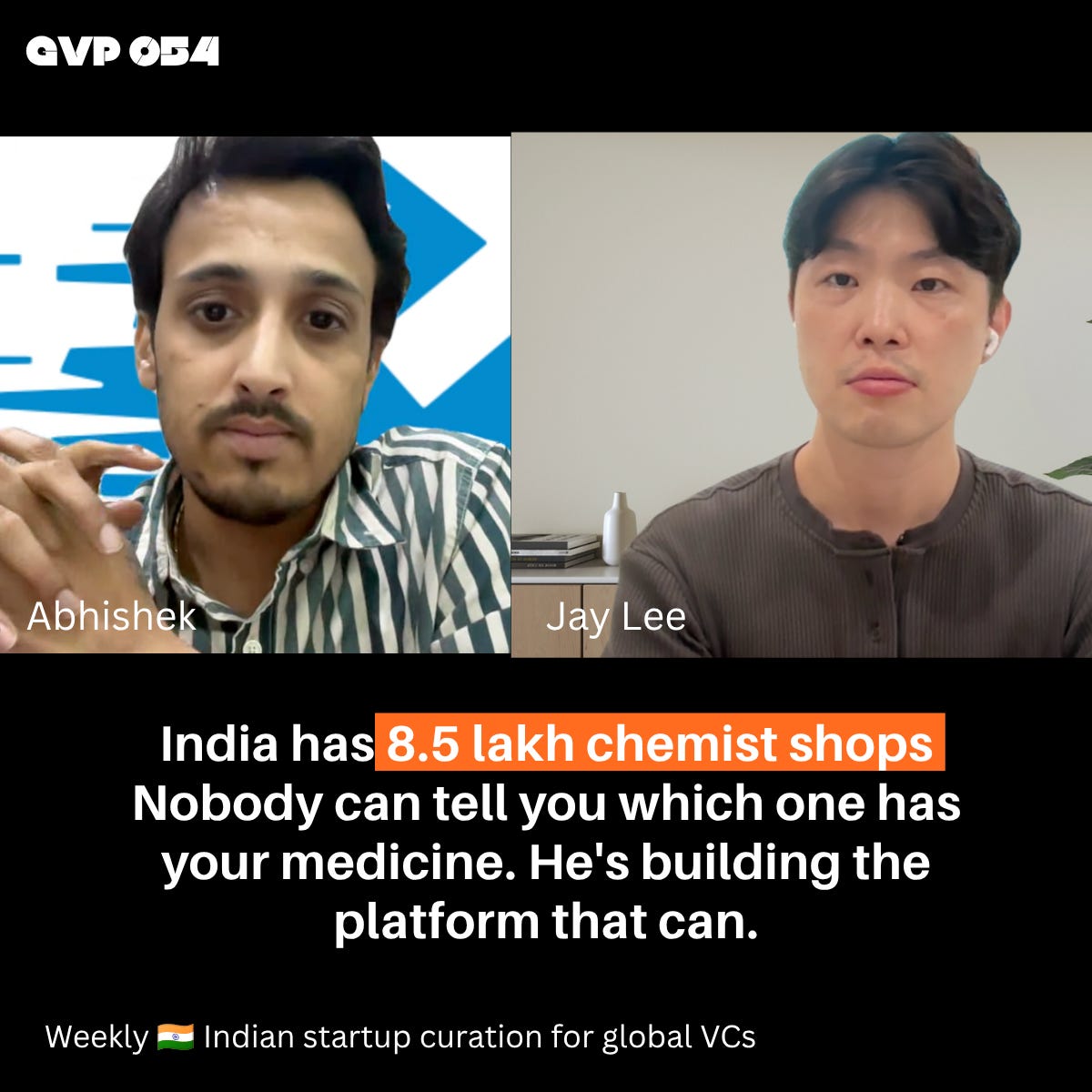
After 8 days of distributing pamphlets of his startup, Abhishek Kumar got an unusual call at 11pm.
He told him
“I have liver pain. The doctor prescribed 4 medicines; two of them are not available online. Two medicines were saying they would get delivered the next day. But I need the medicine right away to eat that part because... I am suffering from my stomach pain.”
After this call, Abhishek searched for the medicine for 2 hours.
He got 3 out of 4 medicines. He rode himself and delivered the medicine.
That medicine was almost certainly sitting in a shop nearby within 3 km, and nobody could tell him which one. This week we’re looking at a startup trying to fix that.
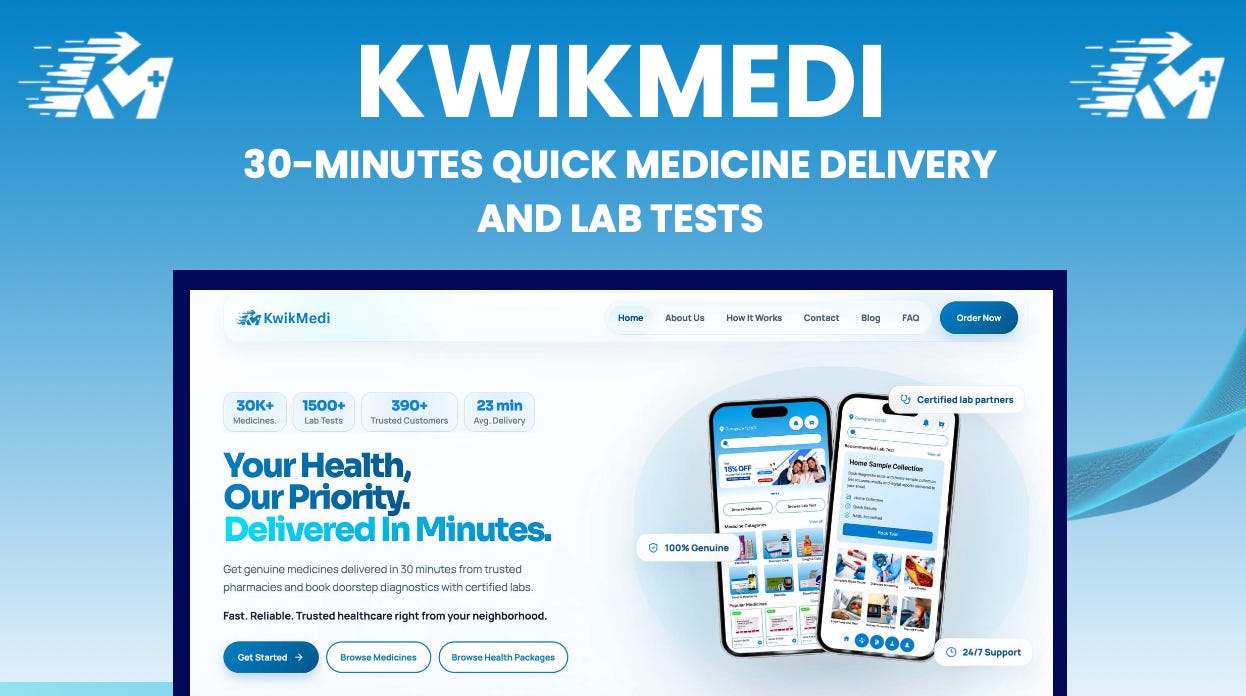
In India, finding a medicine is like selling door-to-door
You’ve got to knock on all doors until you get a yes.
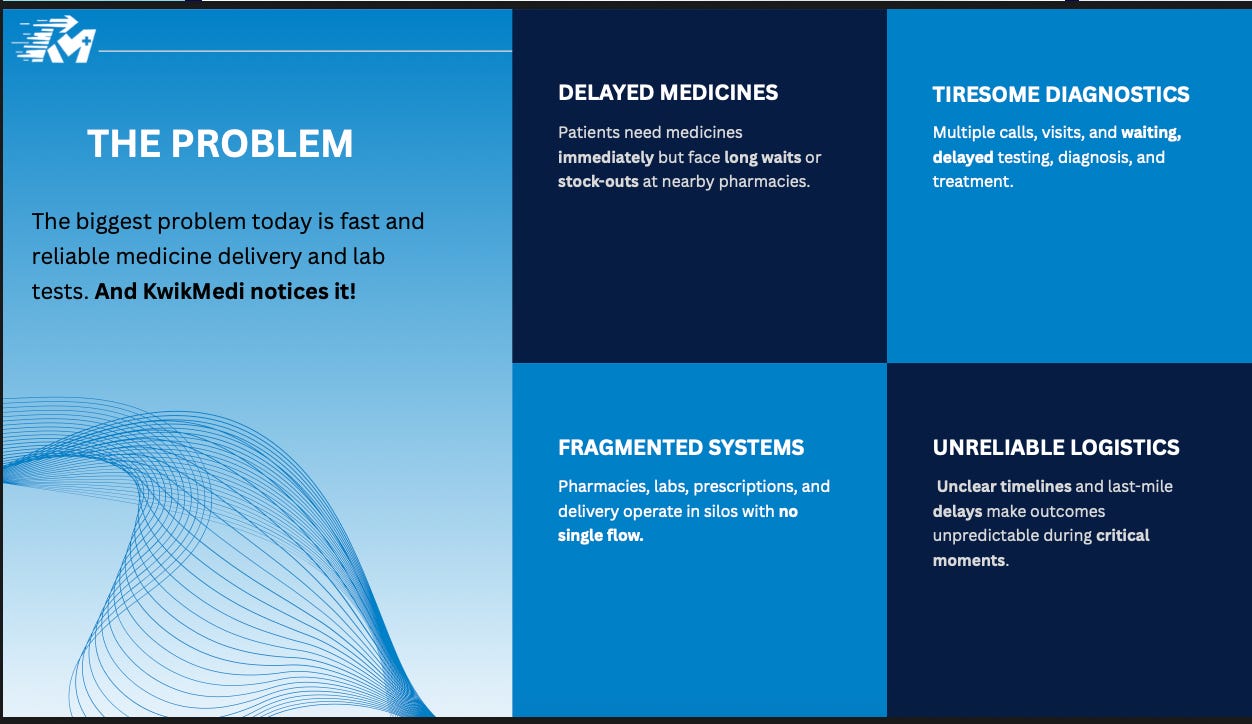
A cardiologist writes seven medicines for your father. The pharmacy at the hospital has six.
So you spend the next hour walking into shops asking the same question until someone finally says yes. The medicine was probably sitting a few streets away the whole time, in a shop you
had no way to search.
For a heart patient, that seventh medicine is not optional, and it is not occasional. He takes it every day for the rest of his life. The same is true for roughly two in five Indians living with a chronic condition.
Tata 1mg, owned by the Tata group, and Apollo 24/7, run by the Apollo hospital chain, both answered this by building their own supply. Warehouses, central stock, their own pharmacy counters. It worked. Tata 1mg holds roughly 31% of online medicine sales in India today.
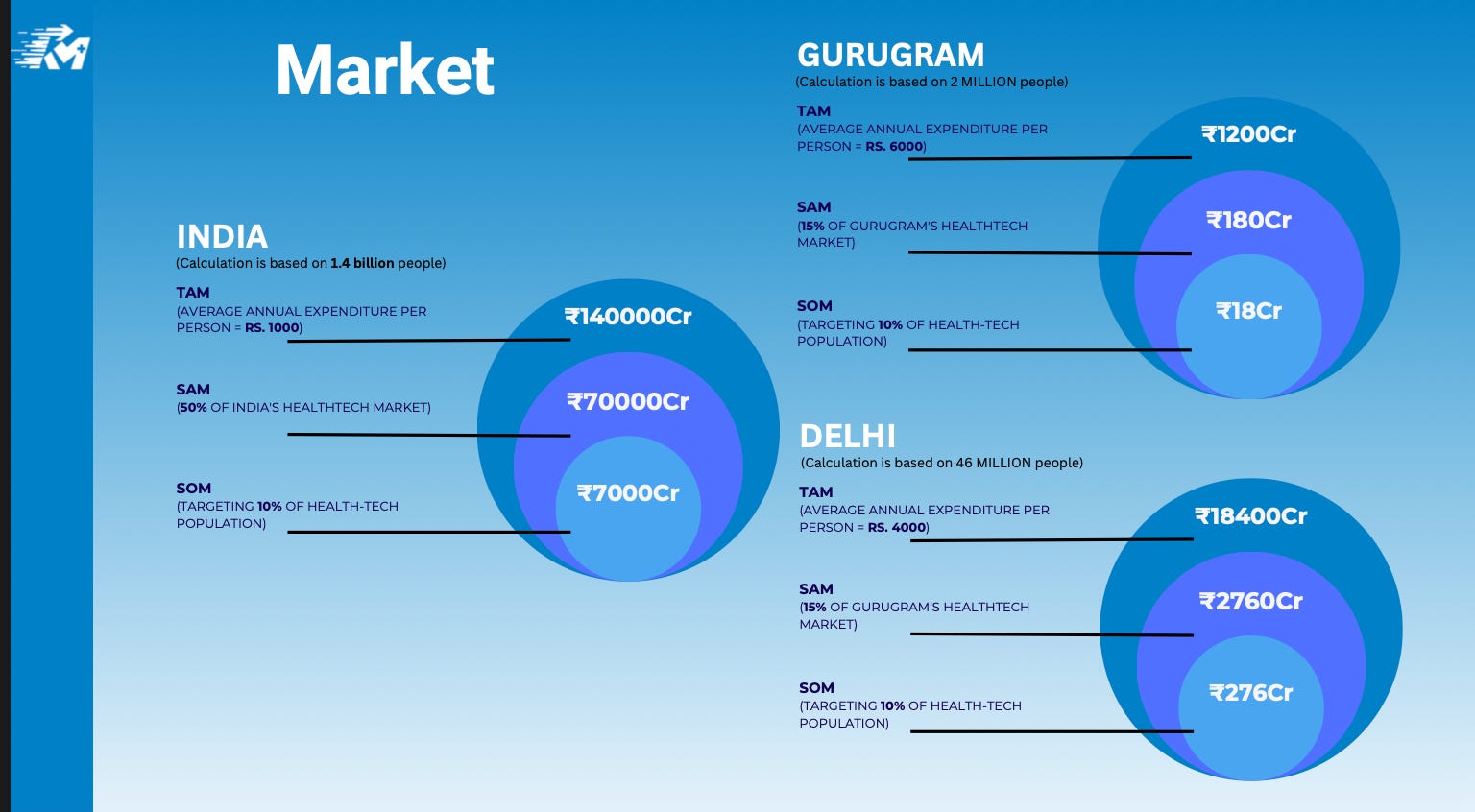
But India has about 8.5 lakh chemist shops, and almost none of them are searchable from a phone. That’s where most Indians still buy their medicine.
The medicine arrives with the shop’s license number printed on it
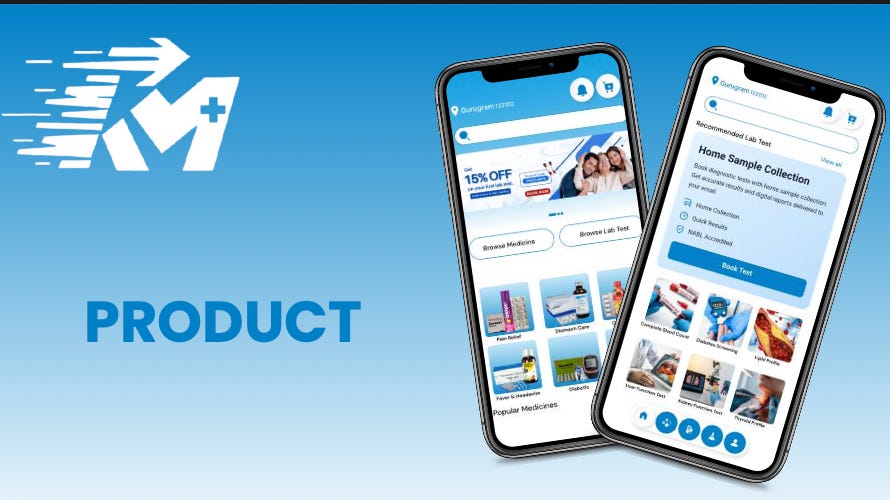
Upload your prescription, and a pharmacist on their team checks it.
The order goes to whichever partner shop near you actually has what you need, a rider collects it, and they aim to have it with you in thirty minutes.
The part worth noticing is what arrives with the packet. The invoice carries the shop’s name, its address, and its drug licence number.
You find out exactly whose shelf your medicine came off, which is something you never learn when the order ships from a warehouse.
KwikMedi also books lab tests on the same app. A Phlebo comes to your house to draw the sample, and Redcliffe Labs runs the test and sends the report back digitally.
They own no stock and no shop. The whole business is knowing where a medicine is and going to get it.
Before they built anything, they printed pamphlets
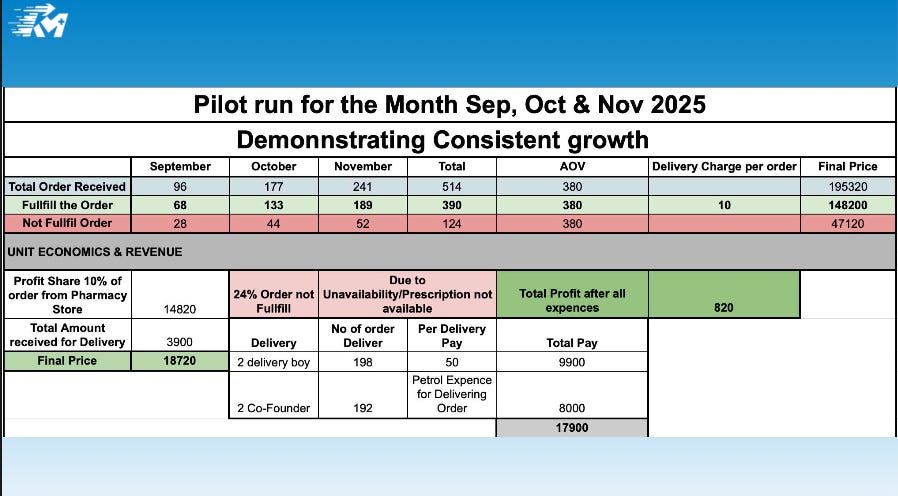
They ran a pilot for three months in Gurugram, and it cost almost nothing.
They only used pamphlets.
The orders came in by call and WhatsApp, and the delivery radius was two kilometres.
September brought 96 orders.
October brought 177.
November brought 241.
18% of orders were repeat requests.
He found out people wanted this before spending a rupee on building it. And every one of those orders came from someone the apps had already turned down.
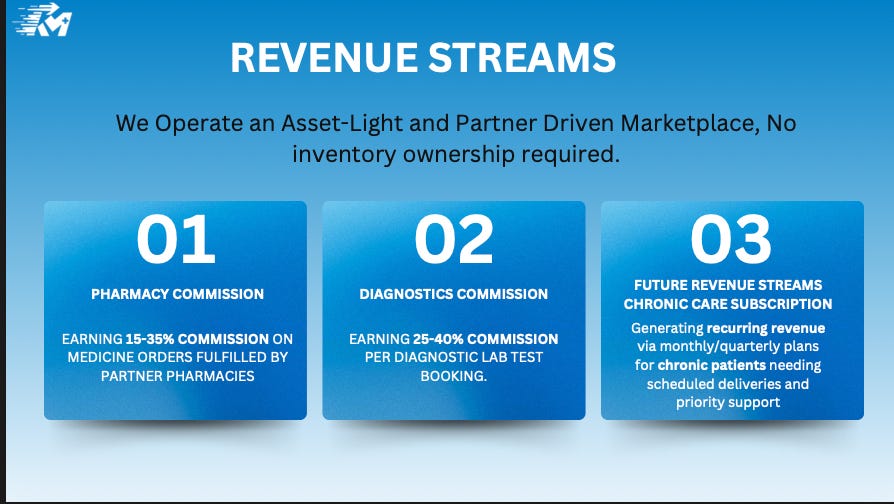
They make money without ever buying a medicine.
The shop owns the stock and sells it at the same price you’d pay walking in.
KwikMedi takes a cut from the shop on every order it sends them and charges you a small delivery fee on top. Lab tests work the same way, with a cut of each booking.
The pilot moved about $1,690 (₹1.5 lakh) of medicine across those three months, at an average order value of $4.30 (₹380).
Those are small numbers, and the model is built for a different customer. A chronic patient orders the same medicines every month for the rest of their life.
Get enough of them onto a subscription, and the revenue stops depending on whoever happens to fall sick this week.
One in four orders never got delivered.
Of the 514 orders that came in during the pilot, 124 went unfilled. Most of those were medicines that simply weren’t there.
That number is the whole company. KwikMedi’s pitch is that it finds what the apps couldn’t. When the answer comes back no, the customer has got nothing they couldn’t have got by walking to the chemist, and they waited longer to get it.
This was also the easy version of the problem. Two shops, a two-kilometer radius, a few orders a day. The honest question is whether adding pharmacies fixes the misses or whether the misses are the tail brands nobody stocks anyway.
Our take:
Founder-market fit. Abhishek’s father is a heart patient. A cardiologist wrote him seven medicines, and the hospital pharmacy had six, so the family went shop to shop looking for the seventh. Abhishek searched on his own platform, and it was there. He only found out which shop it came from when the packet arrived with the invoice.
The demand test is as clean as you’ll see at this stage. He found out people wanted this before spending a rupee on building it, and every order came from someone the apps had already turned down.
The fulfilment rate is the open question. One in four missed at two shops, and nobody knows yet what it looks like at 22 or at 150.
P.S. One last thing…
GVP has 650 investor subscribers — including partners at Accel, principals at family offices in Singapore and Dubai, and angels across the US, Australia, and Europe.
If you forward this newsletter to 3 investors who subscribe, we’ll make a warm intro for you to any family office or VC in our network you’d like to meet.
See you next week
If you want me to make a warm intro with this startup founder, feel free to reply to this email!
Email: jaylee@globalventureplay.com